
Why Regular Maintenance is Key for Refrigeration Systems
Refrigeration systems are essential for preserving food, medicines, and other perishable goods. Whether in commercial kitchens, grocery stores, or industrial settings, these systems must operate efficiently to maintain product quality and safety. Regular maintenance is the cornerstone of keeping refrigeration units running smoothly. Without it, businesses risk costly breakdowns, energy waste, and compromised product integrity.
The Importance of Refrigeration Services for System Longevity
Refrigeration systems are complex machines with many components working together. Over time, wear and tear can cause parts to degrade, leading to inefficiencies or failures. Regular refrigeration services help identify and fix small issues before they become major problems.
For example, cleaning condenser coils improves heat exchange efficiency. Dirty coils force the compressor to work harder, increasing energy consumption and shortening its lifespan. Checking refrigerant levels ensures the system cools properly. Low refrigerant can cause the compressor to overheat and fail.
Routine inspections also include testing electrical connections, lubricating moving parts, and verifying thermostat accuracy. These steps prevent unexpected breakdowns and extend the life of the equipment.
Key benefits of regular refrigeration services include:
Reduced risk of costly emergency repairs
Lower energy bills due to efficient operation
Improved cooling performance and product safety
Extended equipment lifespan and delayed replacement costs

Technician inspecting refrigeration coils to ensure efficient cooling
How Professional Refrigeration Services Improve Efficiency
Energy efficiency is a major concern for businesses using refrigeration systems. These units often run 24/7, consuming significant electricity. Professional refrigeration services optimize system performance to reduce energy waste.
During maintenance, technicians clean and adjust components to ensure the system runs at peak efficiency. For instance, replacing worn door gaskets prevents cold air from escaping, reducing compressor workload. Calibrating thermostats ensures the system maintains the correct temperature without overcooling.
Technicians also check for refrigerant leaks, which not only harm the environment but also reduce cooling capacity. Prompt leak repairs restore system efficiency and prevent further damage.
By investing in professional refrigeration services, businesses can save on utility costs while maintaining consistent product quality.

Technician adjusting thermostat settings to optimize refrigeration efficiency
Signs Your Refrigeration System Needs Maintenance
Knowing when to schedule maintenance can prevent unexpected failures. Some common signs that a refrigeration system needs attention include:
Unusual noises: Grinding, buzzing, or rattling sounds may indicate mechanical issues.
Temperature fluctuations: Inconsistent cooling can spoil products and signal thermostat or refrigerant problems.
Excessive frost buildup: This can block airflow and reduce efficiency.
Increased energy bills: A sudden spike in electricity costs often points to system inefficiency.
Water leaks: Pooled water near the unit may indicate drainage or defrost system issues.
If you notice any of these signs, it is wise to contact refrigeration services near me promptly. Early intervention can save money and prevent downtime.
Practical Tips for Maintaining Your Refrigeration System
While professional services are essential, there are simple maintenance tasks that operators can perform regularly to support system health:
Clean condenser coils monthly: Use a brush or vacuum to remove dust and debris.
Check door seals: Ensure gaskets are intact and clean to prevent cold air leaks.
Keep the area around the unit clear: Good airflow helps the system cool efficiently.
Monitor temperature settings: Avoid setting temperatures lower than necessary.
Defrost manually if needed: Some units require manual defrosting to prevent ice buildup.
These small actions complement professional maintenance and help keep the system running smoothly between service visits.
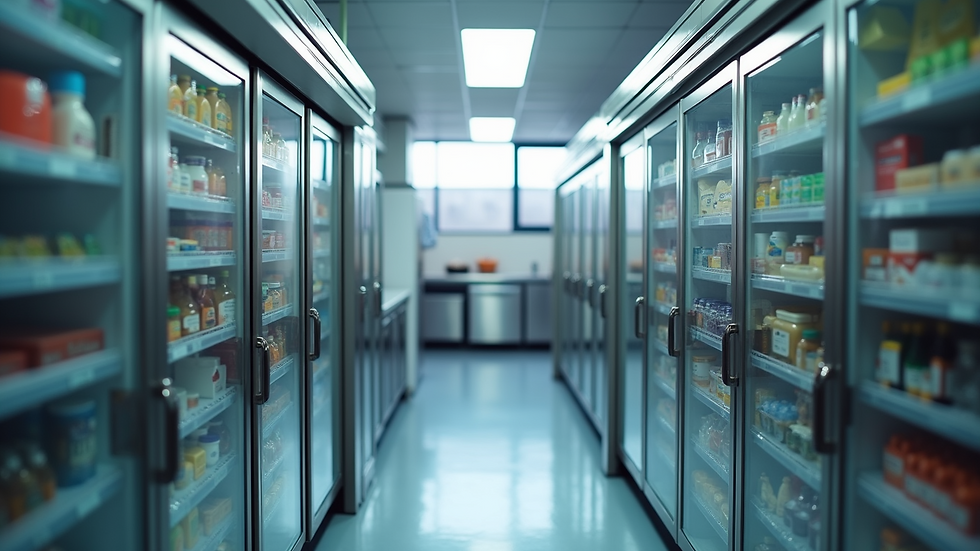
Clean and organized refrigeration unit supporting optimal performance
Long-Term Benefits of Scheduled Refrigeration Maintenance
Scheduling regular maintenance is an investment that pays off over time. Businesses that adhere to maintenance plans experience fewer breakdowns and longer equipment life. This reliability is crucial for operations that depend on refrigeration to protect inventory and comply with health regulations.
Additionally, well-maintained systems consume less energy, reducing environmental impact and operating costs. Maintenance records can also support warranty claims and resale value if equipment is upgraded.
In summary, regular refrigeration services provide:
Consistent product quality and safety
Reduced emergency repair expenses
Lower energy consumption and costs
Extended equipment lifespan
Compliance with industry standards
By prioritizing maintenance, businesses ensure their refrigeration systems remain dependable and efficient for years to come.

Comments